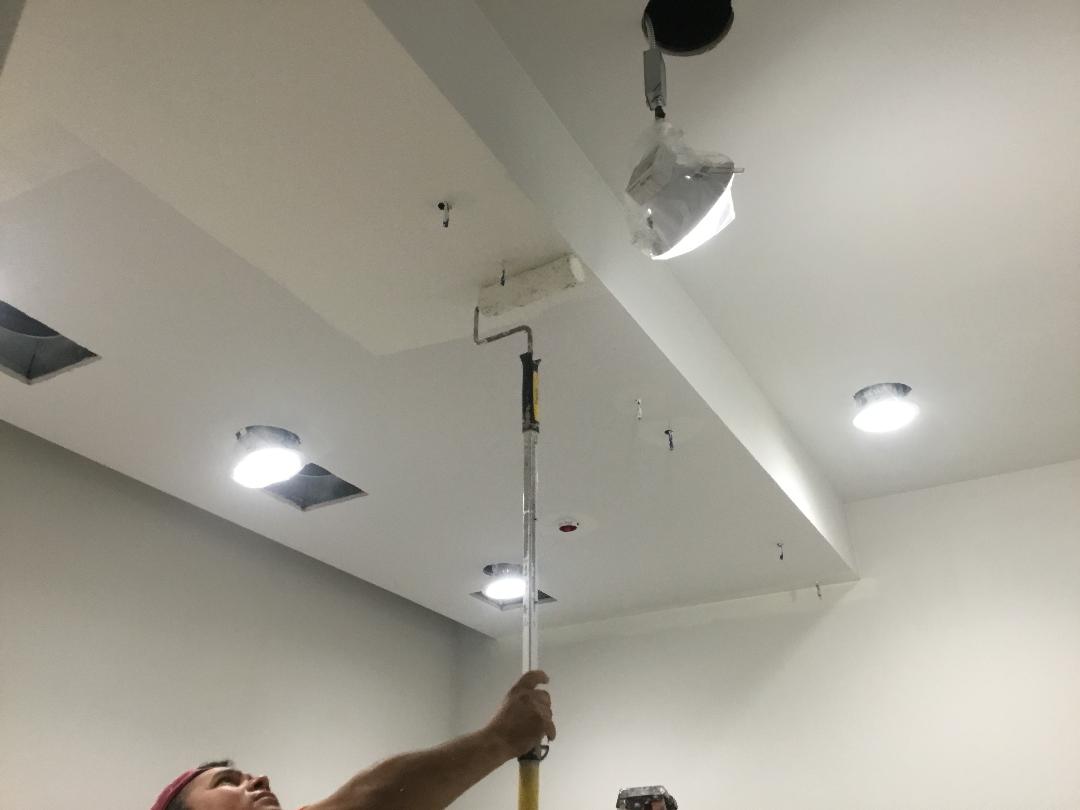
Anyone who has walked into a half-finished office space knows the feeling: exposed studs, dangling wires, and a completion date that suddenly feels very far away. Drywall is the point where a construction project starts to look like an actual space again, which is exactly why getting it right matters so much for tenant improvements, retail buildouts, and office renovations. Sigma Construction has spent more than 15 years handling drywall and framing for commercial clients across the Dallas-Ft. Worth area, and this guide walks through what business owners should understand before their next project starts.
Why Commercial Drywall Is Different From Residential
Homeowners often think of drywall as a simple wall material, but commercial spaces come with a different set of demands. Fire ratings, sound transmission requirements between tenant spaces, and code compliance for occupancy type all shape how a commercial drywall job gets built. An office suite next to a loud mechanical room needs different assemblies than a quiet accounting firm down the hall. Retail spaces often require specific finish levels because customers will see the walls up close, while back-of-house areas can usually be finished to a lower standard to save on budget. None of this is guesswork — it’s driven by building codes and the realities of how the space will actually be used.
The Commercial Drywall Process, Step by Step
1. Site Walkthrough and Scope Review
Before any material shows up, a contractor should walk the space with the business owner or property manager to understand the layout, timeline, and any constraints — after-hours work requirements, shared building access, or existing tenants who can’t be disrupted.
2. Framing Confirmation
Drywall hangs on framing, so the metal or wood stud layout needs to be correct before installation starts. This includes verifying that framing meets code for the wall’s fire rating and that blocking is in place for anything that will be mounted later, like shelving, TVs, or cabinetry.
3. Hanging the Drywall
Sheets are cut and fastened to the framing, with attention paid to seams, corners, and any penetrations for outlets, switches, or mechanical systems. Commercial jobs often move faster than residential ones simply because of the scale, but rushing this step leads to problems during finishing.
4. Taping and Finishing
This is where the finish level comes in. The industry uses a Level 0 through Level 5 finish scale, with most commercial interior walls landing around Level 4 and areas with critical lighting — think glossy paint or glass storefronts — sometimes requiring Level 5 for a completely smooth surface.
5. Sanding and Final Inspection
Once compound has cured, the walls are sanded smooth and inspected for flaws before paint or wallcovering goes on. A good contractor walks the space with the client at this stage to catch anything that needs touching up.
What Affects the Cost of a Commercial Drywall Project
Business owners budgeting for a buildout usually want a straightforward number, but a few factors move the price more than people expect:
- Fire-rated assemblies — Walls separating tenant spaces or protecting exit corridors often require specific layers of drywall, which adds material and labor cost.
- Finish level — A Level 5 finish takes significantly more time than a standard Level 4, especially under bright or angled lighting that shows every imperfection.
- Ceiling height and access — Tall commercial ceilings mean more scaffolding or lift time, which adds to labor hours.
- Existing conditions — Demolition of old walls, asbestos considerations in older buildings, or working around live mechanical, electrical, and plumbing systems can all extend the timeline.
- Timeline pressure — Projects that need to be completed after business hours or on a compressed schedule typically cost more due to overtime and scheduling logistics.
Common Mistakes That Slow Down a Buildout
Even experienced property managers run into a few recurring issues on commercial drywall jobs:
- Skipping the pre-installation walkthrough, which leads to scope changes mid-project once framing issues or unexpected conditions are discovered.
- Underestimating finish level needs, especially in spaces with recessed lighting that will show every seam if the walls aren’t finished properly.
- Not coordinating with other trades, since drywall typically closes in electrical and mechanical work — once it’s up, changes become expensive.
- Choosing the lowest bid without checking experience, which can lead to code compliance issues that surface during final inspection and delay occupancy.
How to Choose a Commercial Drywall Contractor
A few things separate a dependable commercial contractor from one that will cause headaches down the line:
- Commercial project experience specifically — Residential and commercial drywall work follow different codes and standards, so experience with offices, retail, and tenant improvements matters.
- Clear, itemized estimates — A transparent breakdown of framing, hanging, finishing, and any fire-rating requirements helps avoid surprises later.
- Realistic scheduling — A contractor who commits to timelines and communicates proactively about delays is worth more than one who overpromises.
- A track record with local code officials — Contractors familiar with the permitting process in a given city can often move projects through inspection faster.
Frequently Asked Questions
How long does commercial drywall installation typically take? It depends heavily on the size of the space and finish level required, but a mid-sized office suite might take one to two weeks from framing confirmation through final finish, not including paint.
What’s the difference between Level 4 and Level 5 drywall finish? Level 4 is the standard finish for most painted commercial walls and holds up well under normal lighting. Level 5 adds a skim coat over the entire surface, which is typically reserved for areas with critical lighting, glossy paint, or where imperfections would be highly visible.
Do commercial drywall projects require permits? In most cases, yes — especially for tenant improvements that involve fire-rated walls or changes to the building’s layout. A qualified contractor should handle permitting as part of the project scope.
Can drywall work be done without disrupting existing tenants? Yes, many commercial contractors schedule work after hours or in phases specifically to minimize disruption to occupied portions of a building.
What happens if framing issues are discovered after drywall has started? This is why a pre-installation walkthrough matters. Catching framing problems early avoids costly rework once drywall is already hung.
Final Thoughts
Commercial drywall might seem like a small piece of a larger buildout, but it directly affects how a space looks, sounds, and performs once tenants move in. Getting the framing, fire ratings, and finish level right the first time saves both money and time compared to fixing issues after the fact.
Whether you’re planning a full office buildout or a retail renovation in the Dallas-Ft. Worth area, Sigma Construction brings 15+ years of commercial construction experience to every project — serving Garland, Plano, and the surrounding communities.