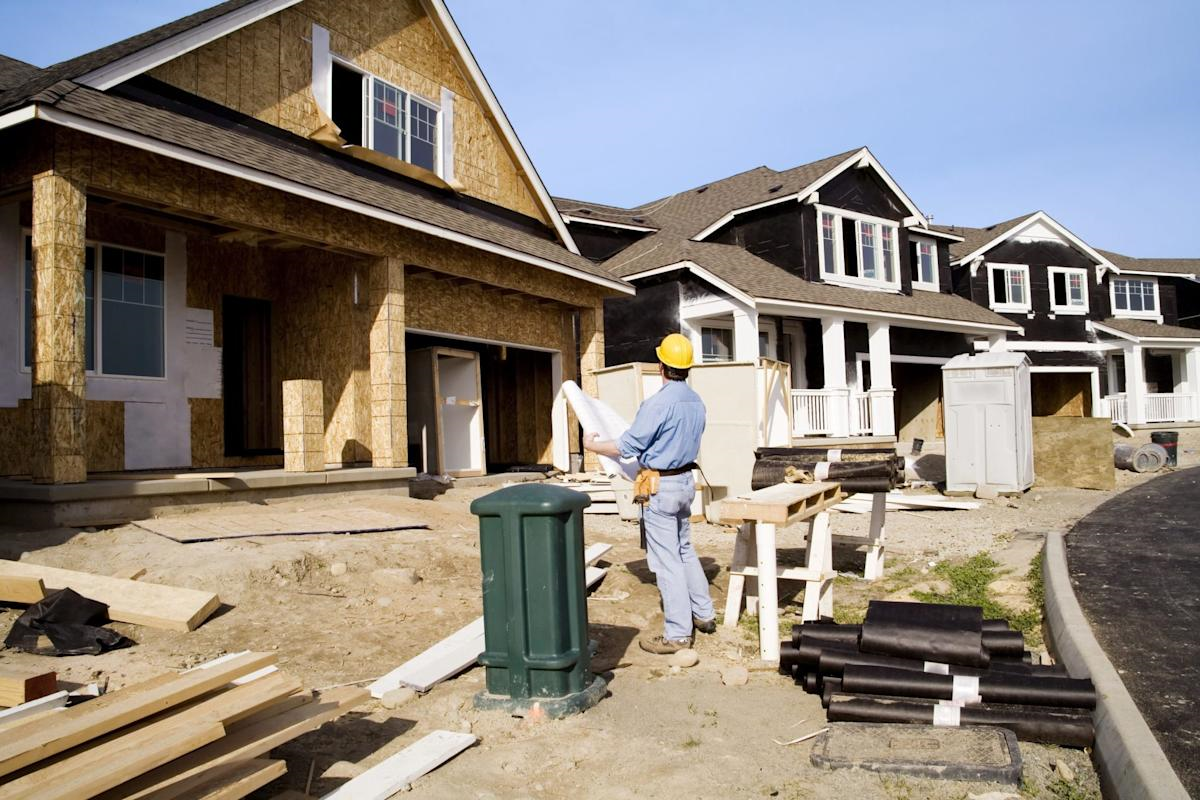
Whether you’re planning a home addition, a full remodel, or a ground-up commercial build, understanding what professional construction services actually involve can make the difference between a smooth project and a stressful one. Garland, TX continues to see steady growth across both residential and commercial development, and property owners throughout the area are investing in everything from renovations to new builds. Sigma Construction has put together this guide to help homeowners and business owners understand the construction process from planning to completion.
In this guide, we’ll cover the types of construction services available, what to expect at each phase of a project, how to budget realistically, and how to choose the right construction company for your needs.
Understanding Construction Services
Construction services cover a broad range of work, from small-scale renovations to large commercial developments. Generally, these services fall into a few key categories:
- Residential Construction — New home builds, additions, remodels, and structural repairs
- Commercial Construction — Office buildups, retail spaces, warehouses, and multi-unit developments
- Design-Build Services — Projects that combine architectural design and construction under a single contract
- Renovation and Remodeling — Updating existing structures, from kitchens and bathrooms to full interior overhauls
- General Contracting — Overseeing subcontractors, permits, scheduling, and project management from start to finish
Understanding which category your project falls into is the first step in planning an effective construction timeline and budget.
Why Garland, TX Is Seeing Increased Construction Demand
Garland has experienced steady population growth and economic development over recent years, driving demand for both residential upgrades and new commercial construction. As neighborhoods continue to develop and businesses expand throughout the city, property owners are investing in projects ranging from home additions to office buildouts. This growth also means increased demand for experienced construction teams who understand the permitting process, building codes, and inspection requirements specific to the region.
Working with a construction company familiar with the city’s permitting office and code requirements can significantly reduce delays and prevent costly compliance issues down the line.
The Construction Process: What to Expect
Every construction project, regardless of size, generally follows a similar sequence of phases. Understanding these steps can help property owners set realistic expectations and stay involved throughout the process.
1. Initial Consultation and Planning
The process begins with a consultation to discuss your vision, budget, and timeline. During this stage, a construction company will assess the scope of the project and provide initial guidance on feasibility, potential costs, and design considerations.
2. Design and Estimating
Once the scope is defined, detailed plans are developed, whether that means architectural drawings for a new build or a layout plan for a remodel. At this stage, a construction company should provide a clear, itemized estimate outlining labor, materials, and projected timelines.
3. Permitting
Before construction begins, most projects require permits from the city. This step ensures the project complies with building codes, zoning requirements, and safety regulations. An experienced construction team will manage this process on your behalf, reducing delays and paperwork headaches.
4. Site Preparation
For new builds or major renovations, this phase includes clearing the site, addressing utilities, and preparing the foundation for construction.
5. Construction Phase
This is the core building phase, where framing, systems installation, structural work, and finishing details come together according to the approved plans. Throughout this stage, a reliable construction company should provide regular updates and maintain clear communication about progress and any adjustments.
6. Inspections
Depending on the scope of the project, several inspections may be required throughout construction to confirm compliance with local building codes, including structural, electrical, plumbing, and final inspections.
7. Final Walkthrough and Completion
Once construction is complete, a final walkthrough allows property owners to review the finished project, address any remaining details, and confirm everything meets expectations before final sign-off.
Residential vs. Commercial Construction Services
While many principles overlap, residential and commercial construction differ significantly in scope, regulations, and timelines.
Residential Construction typically involves:
- Home additions and expansions
- Kitchen and bathroom remodels
- Structural repairs
- New home construction
- Garage and outdoor living space builds
Commercial Construction typically involves:
- Office and retail buildouts
- Warehouse and industrial construction
- Multi-unit residential or mixed-use developments
- Tenant improvements
- Larger-scale code compliance and safety requirements
Choosing a construction company with experience in your specific project type ensures a smoother process, since commercial projects often involve stricter regulations, larger crews, and more complex scheduling than typical residential work.
How to Budget for a Construction Project
Construction costs can vary significantly based on project scope, materials, labor, and site conditions. A few tips for realistic budgeting include:
- Get a Detailed, Itemized Estimate — Avoid vague quotes; ask for a breakdown of labor, materials, permits, and any additional fees.
- Plan for Contingencies — Setting aside an additional 10–20% of your budget helps absorb unexpected costs that often arise during construction.
- Understand Payment Schedules — Most construction contracts involve payments tied to project milestones rather than a single lump sum.
- Factor in Permit and Inspection Costs — These are often overlooked but are a necessary part of nearly every construction project.
- Prioritize Value Over Lowest Price — The cheapest bid isn’t always the best value; experience, quality of materials, and communication matter just as much as cost.
How to Choose the Right Construction Company
Selecting the right team for your project is one of the most important decisions you’ll make throughout the process. Consider the following factors:
- Licensing and Insurance — Confirm the company is properly licensed and carries adequate liability and worker’s compensation insurance.
- Portfolio and Experience — Review completed projects similar in scope to yours, whether residential or commercial.
- Clear Communication — A trustworthy construction company should provide transparent timelines, regular updates, and honest answers to your questions.
- Detailed Contracts — Ensure all project details, costs, and timelines are documented clearly before work begins.
- References and Reviews — Speaking with past clients or reading reviews can provide valuable insight into a company’s reliability and quality of work.
Common Challenges in Construction Projects (and How to Avoid Them)
Even well-planned projects can encounter challenges. Being aware of common pitfalls can help you navigate them more effectively:
- Permit Delays — Working with a company experienced in the permitting process can help avoid unnecessary holdups.
- Scope Creep — Clearly defining the project scope upfront helps prevent budget overruns from added changes mid-project.
- Material Delays — Supply chain issues can affect timelines; discuss material sourcing and lead times early in the planning process.
- Poor Communication — Choose a construction team that prioritizes regular updates and is responsive to questions throughout the project.
- Unrealistic Timelines — A reputable contractor will provide a realistic schedule rather than overpromising a faster completion date.
Frequently Asked Questions
How long does a typical construction project take? Timelines vary widely depending on the scope of the project. A bathroom remodel might take a few weeks, while a new commercial build could take several months to a year, factoring in design, permitting, and construction phases.
Do I need a permit for a home renovation? Most structural changes, additions, and significant renovations require permits. Cosmetic updates, like painting or flooring replacement, typically do not. A construction company can help determine what permits your specific project requires.
How do I know if my construction budget is realistic? Getting multiple detailed estimates and discussing your goals with an experienced contractor is the best way to set a realistic budget. Be sure to account for contingencies and permit costs in addition to labor and materials.
What’s the difference between a general contractor and a design-build firm? A general contractor typically manages construction based on plans already developed, while a design-build firm handles both the design and construction phases under one contract, often streamlining communication and timelines.
Can construction projects be completed during different seasons? Yes, though weather can affect certain phases, such as site preparation or exterior work. An experienced construction team will plan around seasonal considerations to minimize delays.
What should be included in a construction contract? A solid contract should include a detailed scope of work, itemized costs, payment schedule, projected timeline, and provisions for handling changes or unexpected issues during the project.
Final Thoughts
Sigma Construction projects, whether residential or commercial, require careful planning, clear communication, and an experienced team to bring them to life successfully. Understanding the phases of construction, realistic budgeting practices, and how to choose the right company can help property owners in Garland, TX navigate their project with confidence.
Whether you’re planning a home renovation, a new build, or a commercial buildout, working with an experienced, transparent construction team ensures your project is completed safely, on time, and to a high standard of quality.
If you’re ready to start planning your next construction project, Sigma Construction is here to help guide you through every step of the process.